Exterior Porch Design
Exterior porch design significantly impacts a home’s curb appeal and functionality. This guide explores various porch styles, from classic Victorian to modern minimalist designs, examining the interplay of architecture, materials, and functionality. We’ll delve into optimal dimensions for different home sizes, the importance of strategic placement, and the enhancement of usability through thoughtful features. The selection of durable and aesthetically pleasing materials, including wood types, stone, and metal, will be explored alongside lighting schemes and decorative elements that create inviting and comfortable outdoor spaces. Finally, we’ll address crucial safety and accessibility considerations for inclusive porch design.
Creating the perfect porch involves a careful consideration of many factors. This guide aims to provide you with the knowledge and inspiration needed to design a porch that seamlessly blends with your home’s architecture while enhancing its overall value and livability. Whether you’re undertaking a new build or renovating an existing structure, understanding the principles of exterior porch design is key to achieving a beautiful and functional outdoor space.
Porch Styles and Architectural Integration: Exterior Porch Design
The design of a porch significantly impacts a home’s curb appeal and overall aesthetic. A well-integrated porch enhances the architectural style of the house, while a poorly designed one can detract from it. Choosing the right style, materials, and dimensions is crucial for creating a functional and visually appealing outdoor space.
Victorian Porch Styles
Source: pinimg.com
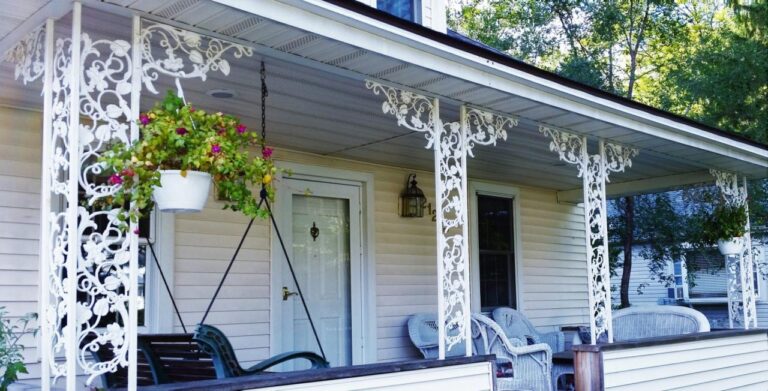
Victorian porches are characterized by elaborate detailing, often featuring intricate gingerbread trim, spindlework railings, and multiple columns supporting a complex roofline. Rooflines typically include steeply pitched gables or hipped roofs, often adorned with decorative brackets and finials. Columns are frequently turned or fluted, adding to the ornate aesthetic. Railings are usually crafted from wood, featuring elaborate patterns and spindles. These porches complement Victorian-style homes with their decorative flourishes and grandeur.
Craftsman Porch Styles
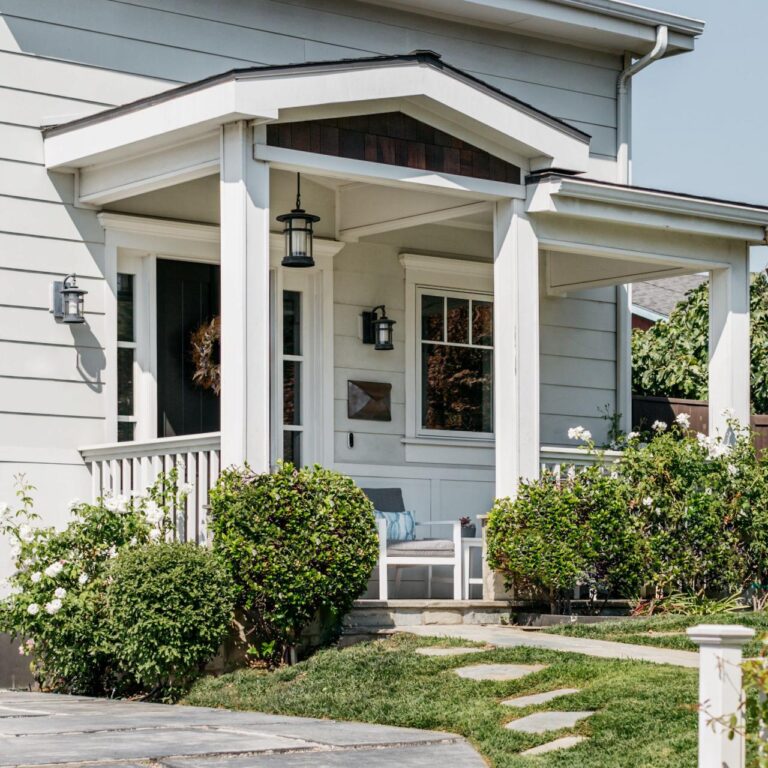
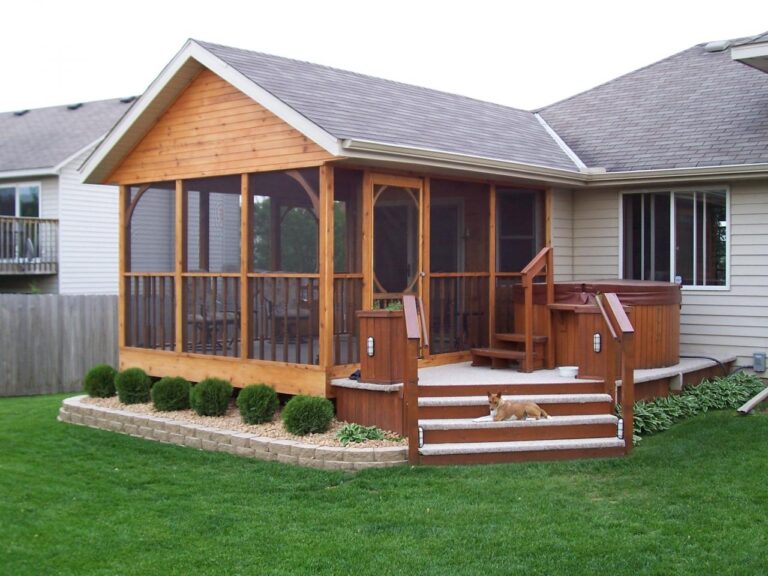
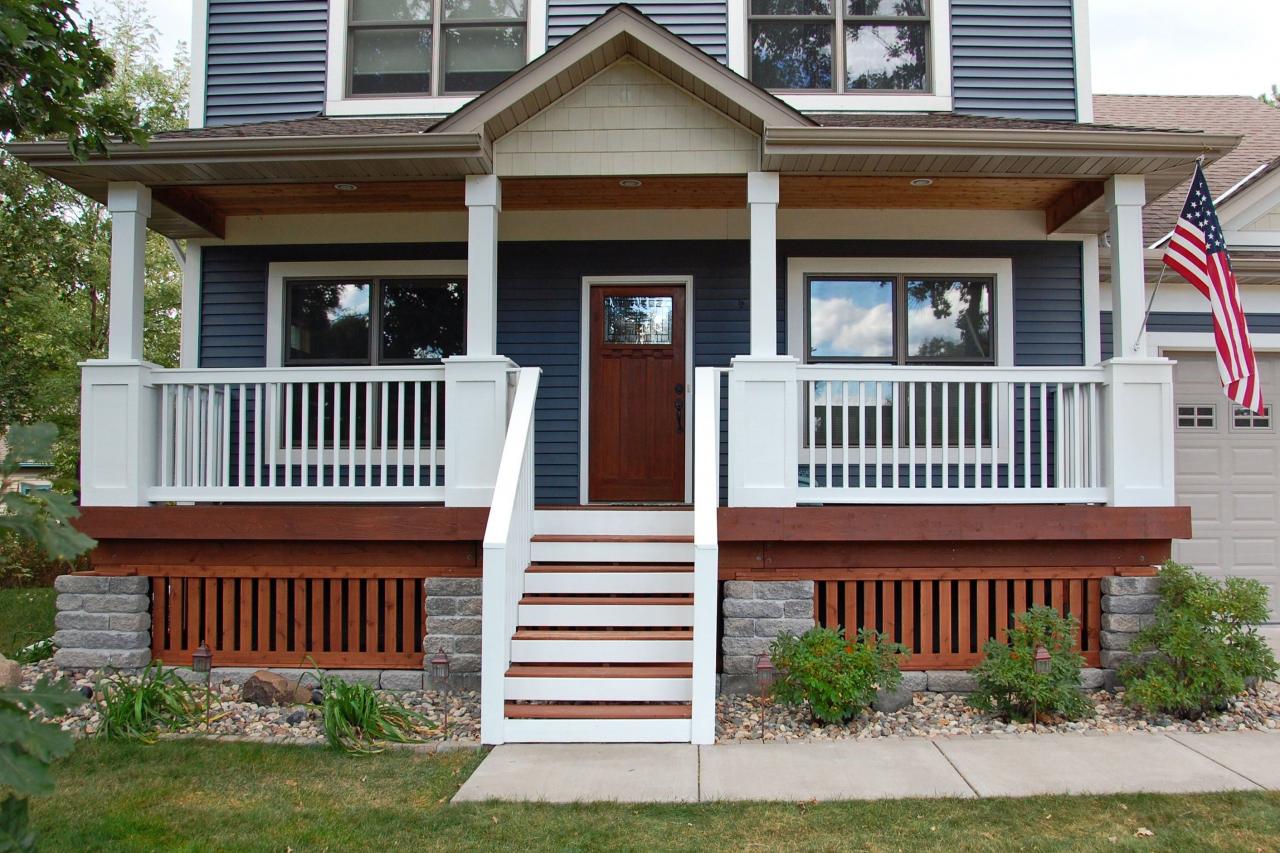
Craftsman porches emphasize simplicity and functionality, reflecting the principles of the Arts and Crafts movement. They typically feature low-pitched, gabled roofs with exposed rafters or beams. Columns are often square or tapered, and made from sturdy materials like wood. Railings are straightforward, usually employing simple balusters and sturdy handrails. Natural materials like wood and stone are favored, creating a warm and inviting atmosphere. These porches are well-suited to bungalow and Craftsman-style homes.
Modern Porch Styles
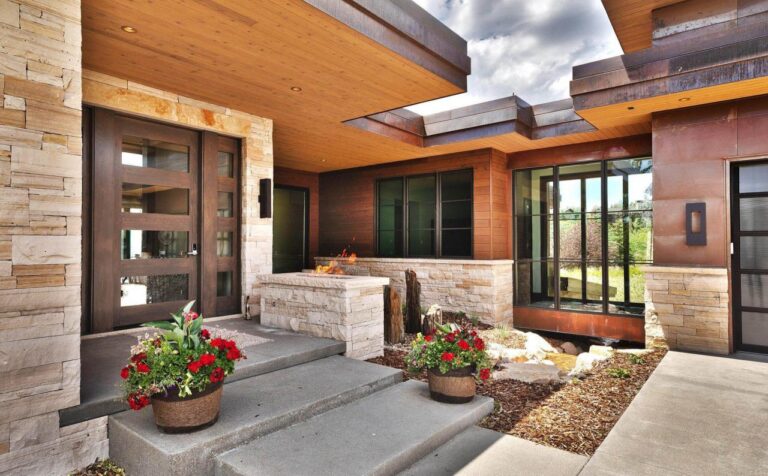
Modern porches prioritize clean lines and minimalist aesthetics. They often feature flat or slightly sloped roofs, minimal ornamentation, and simple geometric forms. Materials like concrete, metal, and glass are commonly used. Columns, if present, are typically sleek and unadorned. Railings are often made from metal or glass, emphasizing simplicity and transparency. These porches provide a contemporary contrast or complement to modern or minimalist homes.
Material Comparison For Porch Construction
| Material | Pros | Cons |
|---|---|---|
| Wood (Cedar, Redwood) | Natural beauty, durability (with proper treatment), versatility | Higher cost requires regular maintenance (staining, sealing), susceptible to rot and insect damage if not properly treated |
| Metal (Aluminum, Steel) | Low maintenance, durability, weather resistance, variety of styles | Can be more expensive initially, prone to dents and scratches, and may require repainting over time |
| Composite | Low maintenance, resists rot and insect damage, durable, variety of styles | Can be more expensive than wood, may fade or discolor over time, and may not have the same aesthetic appeal as natural wood |
Porch Design and Architectural Harmony, Exterior porch design
A porch’s design should either complement or create a striking contrast with the existing house architecture. A Victorian home with a Craftsman porch might feel jarring, while a modern home with a minimalist porch creates a cohesive look. For example, a traditional brick home might be complemented by a porch with matching brickwork and wood detailing, while a contemporary stucco home might benefit from a porch with clean lines and metal accents.
Porch Dimensions and Functionality
The size and placement of a porch directly impact its usability and overall contribution to the home’s design. Careful consideration of these factors ensures a functional and aesthetically pleasing space.
Optimal Porch Dimensions
| House Size | Depth (ft) | Width (ft) | Seating Capacity |
|---|---|---|---|
| Small | 6-8 | 8-10 | 2-4 |
| Medium | 8-12 | 10-14 | 4-6 |
| Large | 12+ | 14+ | 6+ |
Porch Placement and Usability
Front porches are ideal for welcoming guests and creating a strong visual focal point. Side porches offer privacy and can be incorporated into the overall landscape design. Back porches are perfect for outdoor dining or relaxation, providing a connection to the garden or backyard. The chosen placement significantly impacts the porch’s functionality and how it integrates with the home’s flow.
Enhancing Porch Functionality
- Built-in seating: Provides comfortable and space-saving seating options.
- Lighting: Adequate lighting enhances safety and ambiance, allowing for evening use.
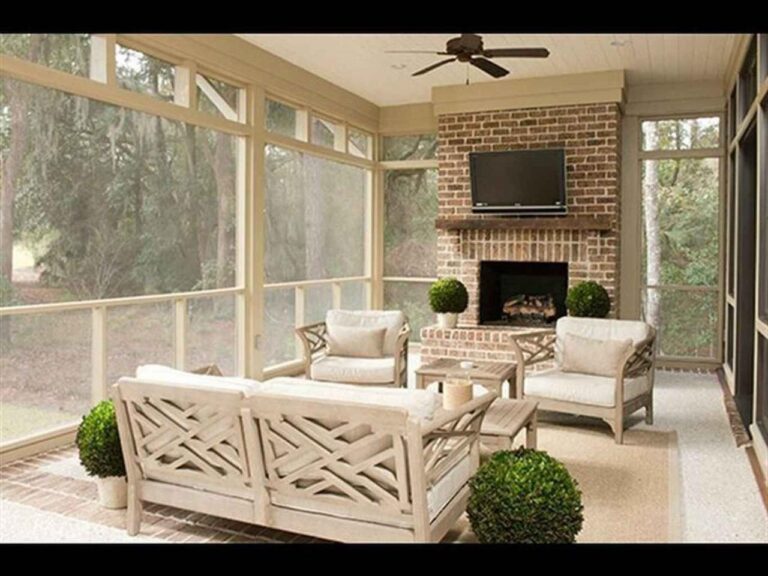
- Ceiling fans: Provide cooling and air circulation, increasing comfort.
- Storage: Built-in storage solutions keep the porch organized and clutter-free.
Porch Materials and Finishes
The selection of materials and finishes significantly impacts a porch’s durability, aesthetics, and maintenance requirements. Careful consideration of these factors ensures a long-lasting and visually appealing structure.
Common Porch Wood Types
| Wood Type | Durability | Cost | Maintenance |
|---|---|---|---|
| Cedar | High | High | Moderate (periodic staining/sealing) |
| Redwood | High | High | Moderate (periodic staining/sealing) |
| Pressure-Treated Pine | Moderate | Low | Low (periodic cleaning) |
Mixed-Material Porch Design
A porch incorporating a combination of stone, wood, and metal offers both aesthetic appeal and practical advantages. A stone base provides a solid foundation and weather resistance. Wood columns offer warmth and visual interest. A metal roof ensures durability and weather protection. This combination creates a visually rich porch with long-lasting performance.
Paint and Stain Options
Exterior-grade paints and stains offer protection against the elements while enhancing the porch’s aesthetic. Options include semi-transparent stains that allow the wood grain to show through, solid stains for a more uniform color, and durable exterior paints for a wider range of colors and finishes. Consider weather resistance and UV protection when selecting a finish.
Porch Lighting and Decor
Appropriate lighting and decorative elements transform a porch from a simple structure into a welcoming and inviting outdoor space. Careful planning creates a cohesive and aesthetically pleasing environment.
Porch Lighting Schemes
Different lighting schemes create various moods and functionalities. Ambient lighting provides overall illumination, task lighting highlights specific areas and accent lighting emphasizes architectural features or decorative elements.
- Ambient: Pendant lights and string lights create a warm and inviting atmosphere.
- Task: Wall-mounted sconces illuminate seating areas or walkways.
- Accent: Uplighting highlights architectural details or plants.
Decorative Elements
Source: randolphsunoco.com
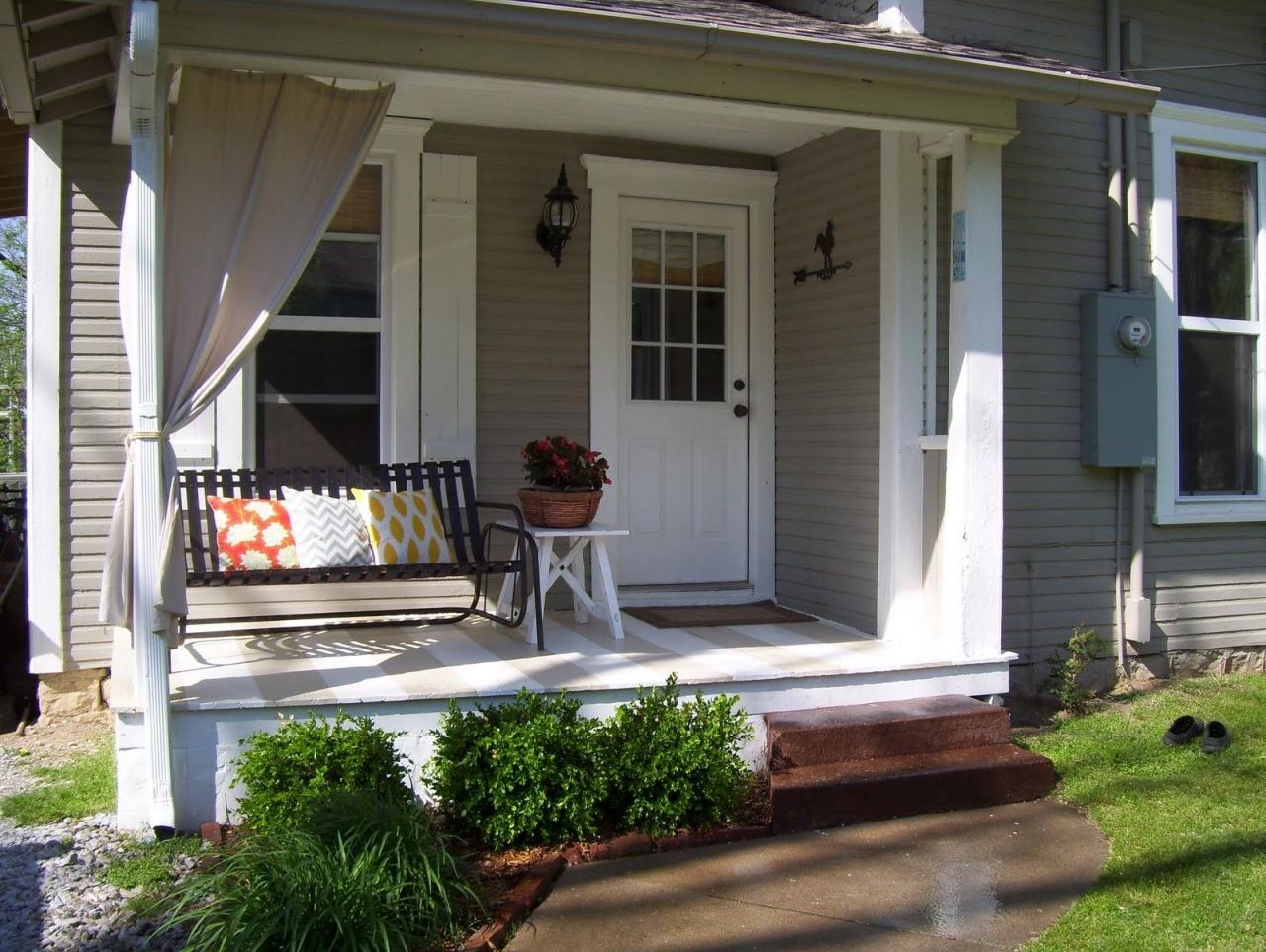
- Planters: Add greenery and color.
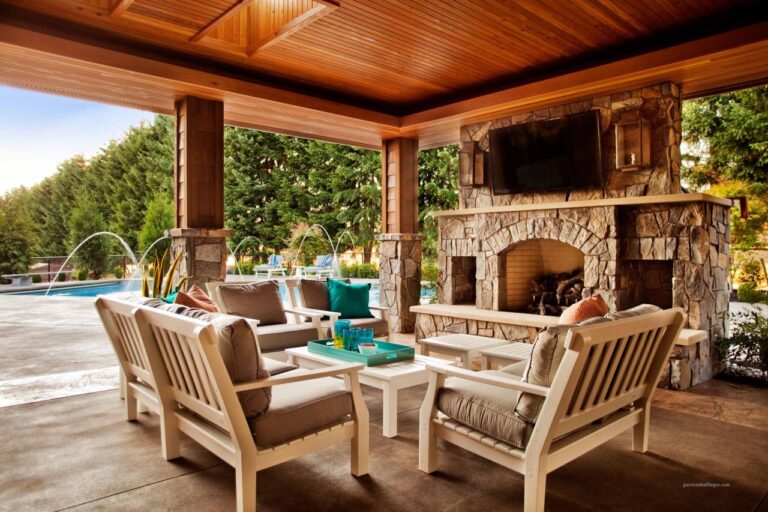
- Furniture: Comfortable seating and tables enhance usability.
- Rugs: Add warmth, texture, and color.
- Artwork: Wall hangings or sculptures add personality.
Landscaping Integration
Source: pinimg.com
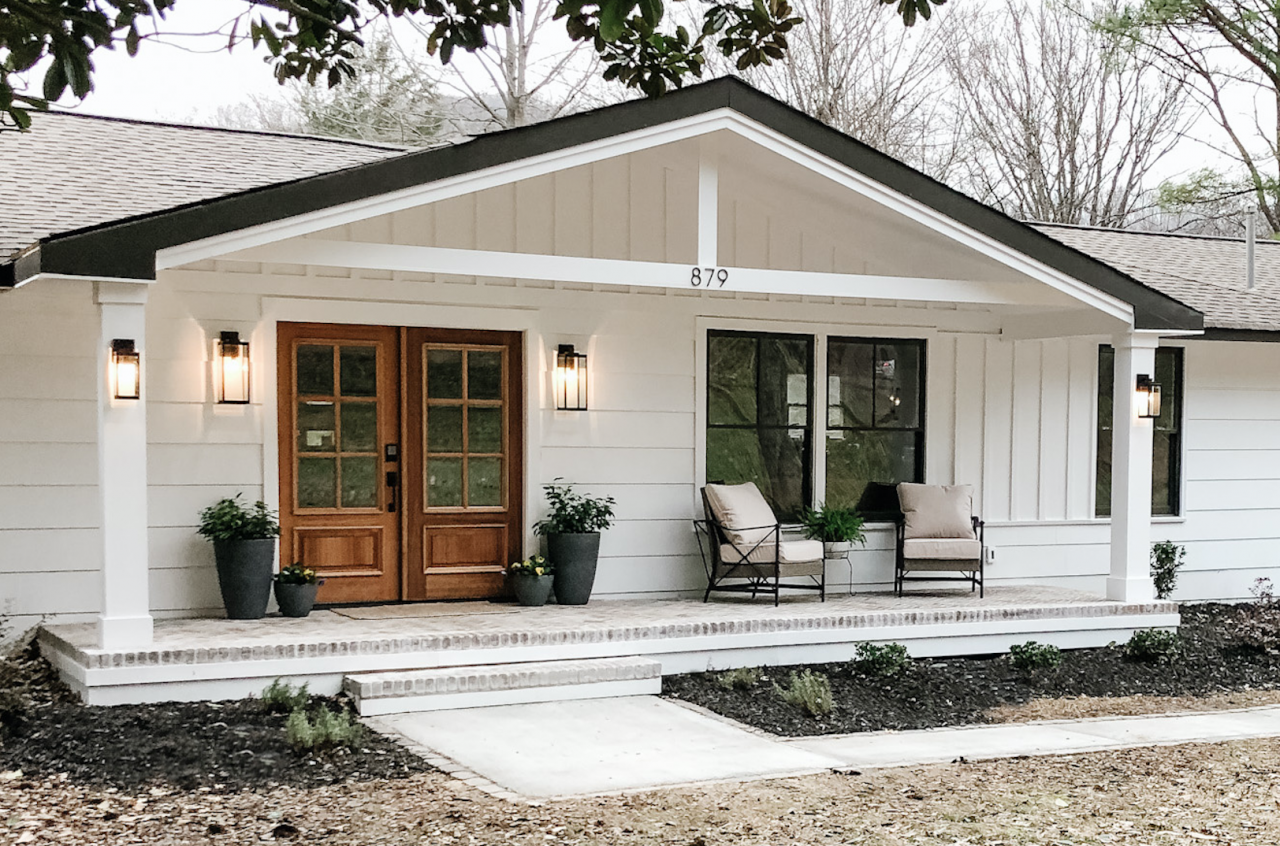
Integrating landscaping with the porch design creates a cohesive outdoor space. Consider using plants and flowers to complement the porch’s color scheme and style. Pathways leading to the porch improve accessibility and enhance the overall aesthetic.
Accessibility and Safety Features
Designing a safe and accessible porch benefits everyone, ensuring usability for people of all abilities. Incorporating safety features is crucial for preventing accidents.
Accessible Porch Design
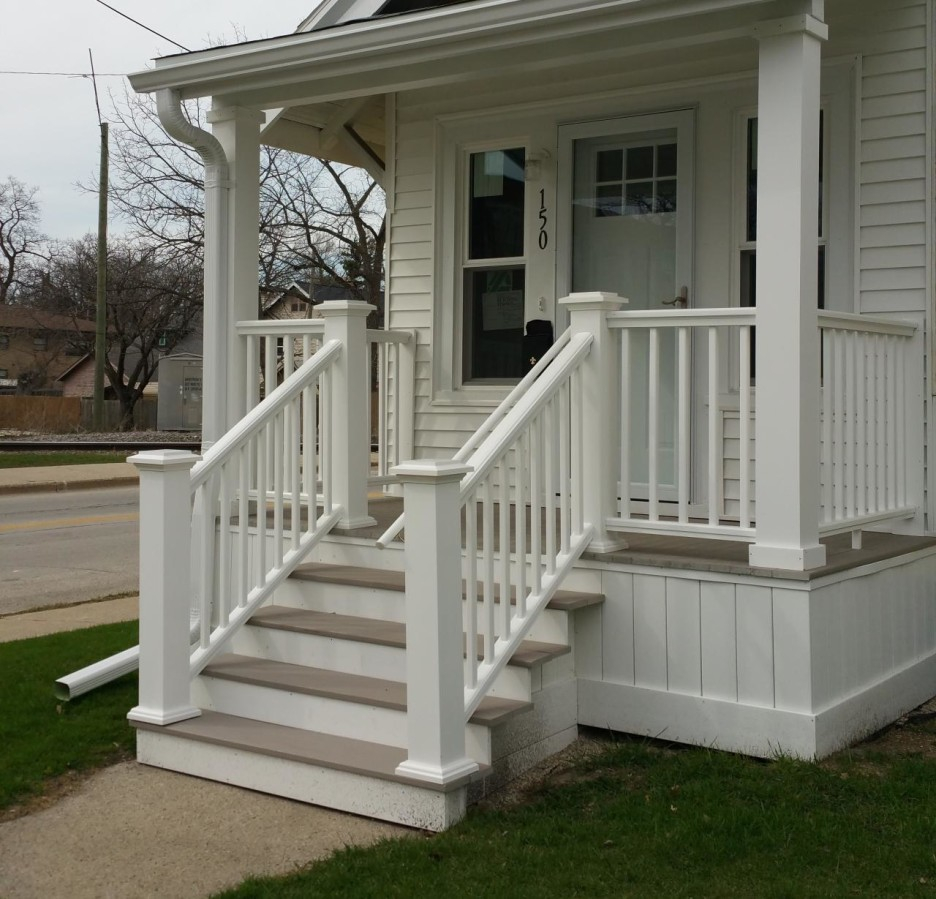
For accessibility, ramps with gentle slopes (1:12 ratio or less) and sturdy handrails on both sides are essential. The landing area at the top and bottom of the ramp should be spacious enough for wheelchairs to turn around. Non-slip surfaces prevent falls. Consider the width of the ramp and handrail placement for optimal accessibility.
Safety Features
- Non-slip surfaces: Prevent falls, especially in wet conditions.
- Adequate lighting: Improves visibility and reduces the risk of trips and falls.
- Sturdy railings: Provide support and prevent falls from the porch.
Building Codes and Regulations
Source: ertny.com
Adhering to local building codes and regulations is crucial for ensuring porch safety and structural integrity. These codes often specify requirements for railings, stairs, ramps, and other safety features, as well as load-bearing capacities and material specifications.
Expert Answers
What are the common building code requirements for porch construction?
Building codes vary by location but generally address structural integrity, railing height and spacing, accessibility requirements (ramps, handrails), and electrical safety for lighting and other fixtures. Check with your local building department for specific regulations.
How often should I maintain my porch?
Maintenance frequency depends on the materials used. Wood porches typically require annual cleaning, staining or painting every few years, and occasional repairs. Metal and composite materials generally require less maintenance but may still need periodic cleaning and touch-ups.
What is the average cost of building a porch?
The cost varies widely depending on size, materials, complexity of design, and labor costs in your area. Expect a significant investment, ranging from several thousand to tens of thousands of dollars.
Can I build a porch myself?
While possible for smaller, simpler designs, building a porch often requires significant construction skills and knowledge of building codes. For complex designs or if you lack experience, hiring a professional contractor is recommended.
How do I choose the right lighting for my porch?
Consider the desired ambiance and functionality. Ambient lighting provides overall illumination, task lighting focuses on specific areas (e.g., steps), and accent lighting highlights architectural features. Use a combination of fixture types to achieve the desired effect.